
Shailesh Sharma

Shailesh Sharma health writerAfter completing a bachelor’s degree in pharmaceutical sciences at The School of Health and Allied Sciences, Pokhara University, Nepal, Shailesh started teaching at various pharmacy colleges in Nepal. After 8 years in pharmacy academics, he decided to change course to medical writing. For the last 5 years, he has helped companies with his evidence-based articles targeted at non-medical audiences. He is adept at writing and editing informative sports health articles for the consumer as well as patient education materials. Currently, he is working as a writer/reviewer for SportsMD Media Inc. as well as Pathway Inc. When he gets the chance, he enjoys digging into the latest sports medicine research findings and ensures that he properly educates people who are engaged in sports or athletic activities.  
Athletes Are You Training Your Gut?

Athletes tend to do a good job of training their muscles, heart and lungs. But some of them (particularly endurance athletes and those in running sports) commonly fail to train their gut. As one marathoner reported, “I was so afraid of getting diarrhea during long training runs that I did not eat or drink anything…

GLP-1 Weight Loss Drugs and Dehydration: The Athlete’s Complete Hydration Guide

GLP-1 drugs aren’t new on the market. They’ve been around to help people manage type 2 diabetes by mimicking the activity of the GLP-1 hormone. Recently, the drug has become a popular choice for the management of obesity, and even athletes have been turning to it to help them lose weight. The idea is simple:…

GLP-1 and the Overweight Athlete

Key Takeaways Resistance training and high protein intake are non-negotiable requirements to preserve muscle during treatment. GLP-1’s can blunt the thirst mechanism and athletes are at high risk for dehydration and electrolyte imbalances. Athletes must adopt a “scheduled hydration” strategy, drinking a set volume of fluid with electrolytes at fixed intervals, regardless of thirst sensation. Because…

Nutrition For Injury Recovery

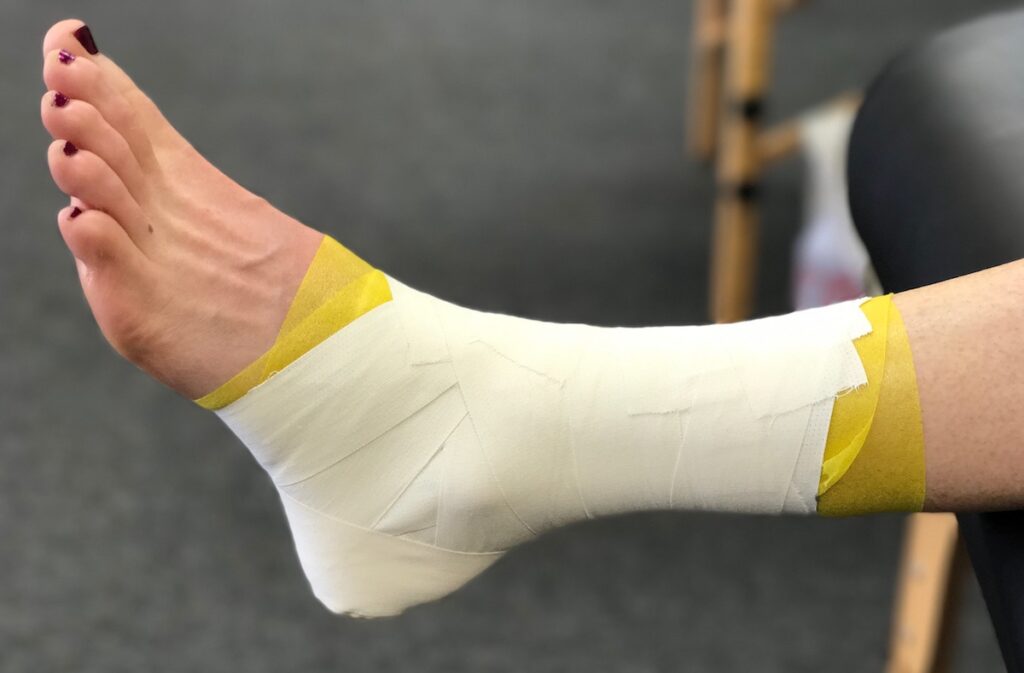
Nutrition for injury recovery is often overlooked but a key element to faster recovery.  Lets face it, athletes get injured and it’s part of the deal. Be it a torn ACL, Achilles tendonitis, or a pulled muscle, the questions arise: What can I eat to recover faster? Would more vitamins be helpful? What about collagen…

The Importance of a High Protein Diet While Taking GLP-1 Weight Loss Medications

The rise of GLP-1 receptor agonists—such as semaglutide (Ozempic, Wegovy) and tirzepatide  (Mounjaro, Zepbound)—has revolutionized weight management. [3] These medications have helped millions achieve significant weight loss by mimicking hormones that regulate appetite and blood sugar. However, rapid weight loss comes with a hidden cost that every active individual must address: muscle loss. For athletes…

Can Physical Fitness Improve Your Children’s Academic Performance?

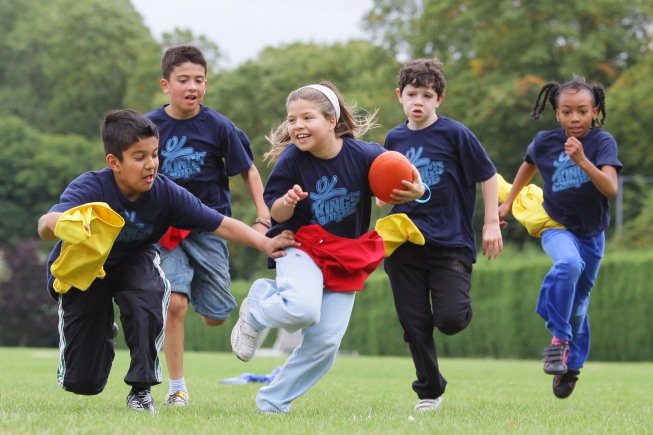
Physical fitness strengthens your children’s bones, muscles, lungs, and heart. But did you know it can also improve their academic performance? Read on to find what the latest evidence says. Increasing your children’s physical fitness is an effective way to improve their academic performance. Healthy children are more likely to become healthy adults. Help your…

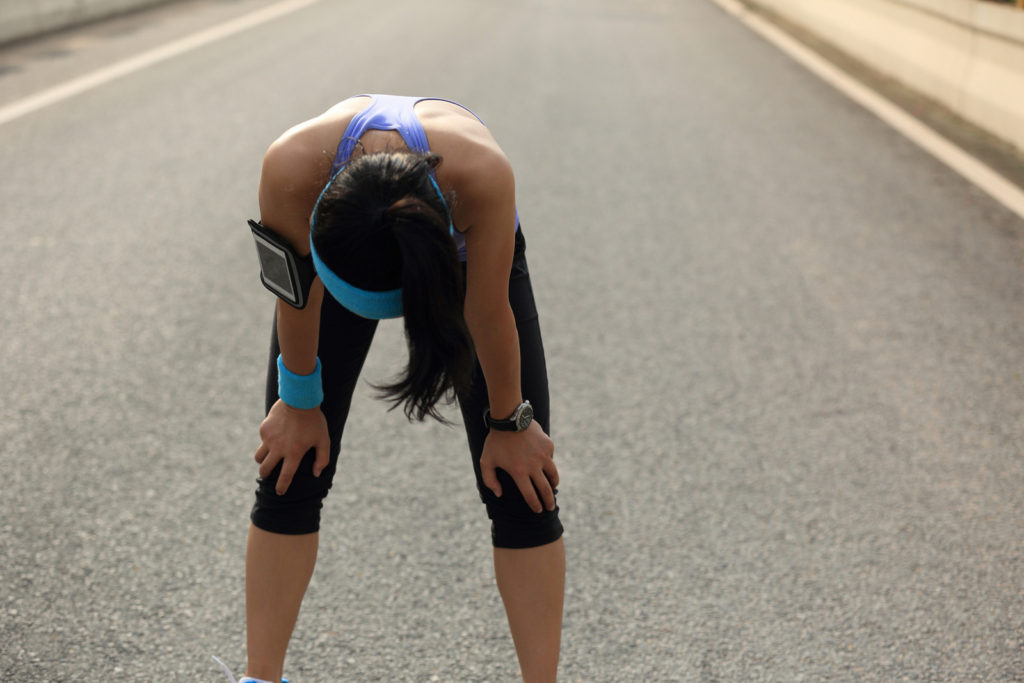
Athletes and Fatigue. Why am I so Tired?

“I feel tired a lot. What vitamins will give me more energy?” “When I get home from work, I’m just too tired to cook dinner…” “I feel like taking a nap most afternoons. I get up at 5 a.m. to exercise—but really, should I feel this tired at 3:00 p.m.?”   Athletes commonly complain about…

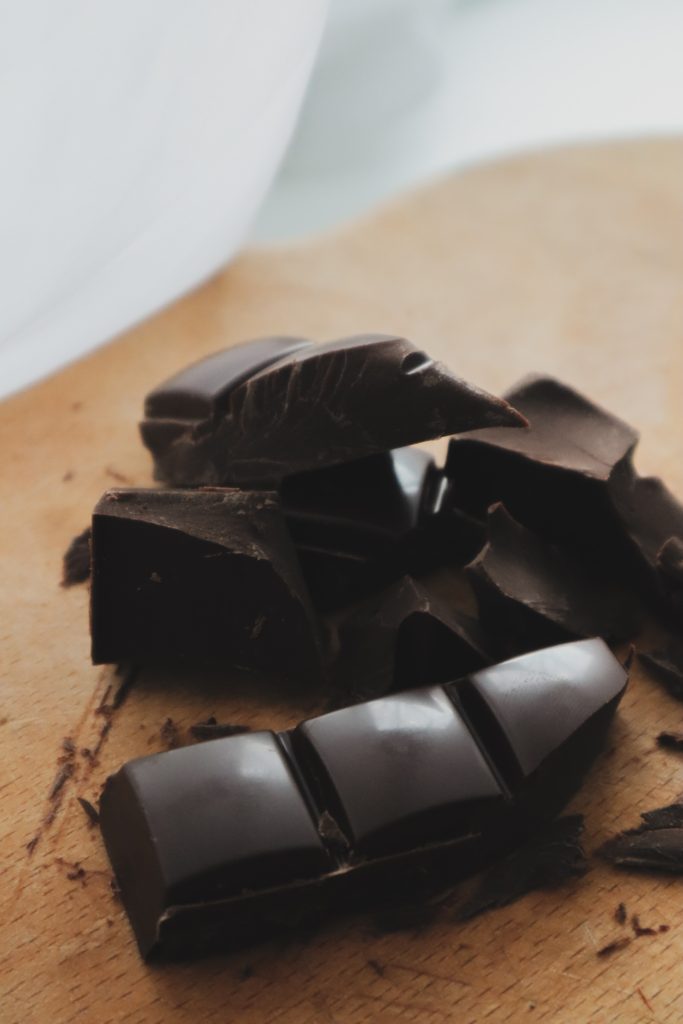
Chocolate and Your Sports Diet

Some people try so hard to not eat it, but they inevitably succumb, and inevitably feel guilty.  If you share the same love-hate relationship with chocolate, keep reading. And be thankful this so-called “bad food” offers benefits.”   The Good News Chocolate is made from cocoa, a plant. It is a rich source of health-protective phyto…

How Many Hours of Sleep Do Teens Need?

Teen athletes often get insufficient sleep, despite its well-established risks to health and performance. Read on to find how much sleep teen athletes need and what they can do to sleep better.  Highlights Teens between 13 and 18 should get 8 to 10 hours of sleep each night, recommends the American Academy of Sleep Medicine…

The Benefits of Telehealth Physical Therapy

Telehealth physical therapy can enable you to receive professional care from the comfort of your own home. No more juggling schedules or sitting in traffic to attend appointments. We’ll discuss telehealth PT advantages and limitations, and how to prepare for your virtual sessions. Key Takeaways Telehealth physical therapy offers increased accessibility, cost efficiency and personalized…